SPARC · Chartered Physiotherapy · Dublin & Greystones
Your ACL rehab starts before the operation, not after it.
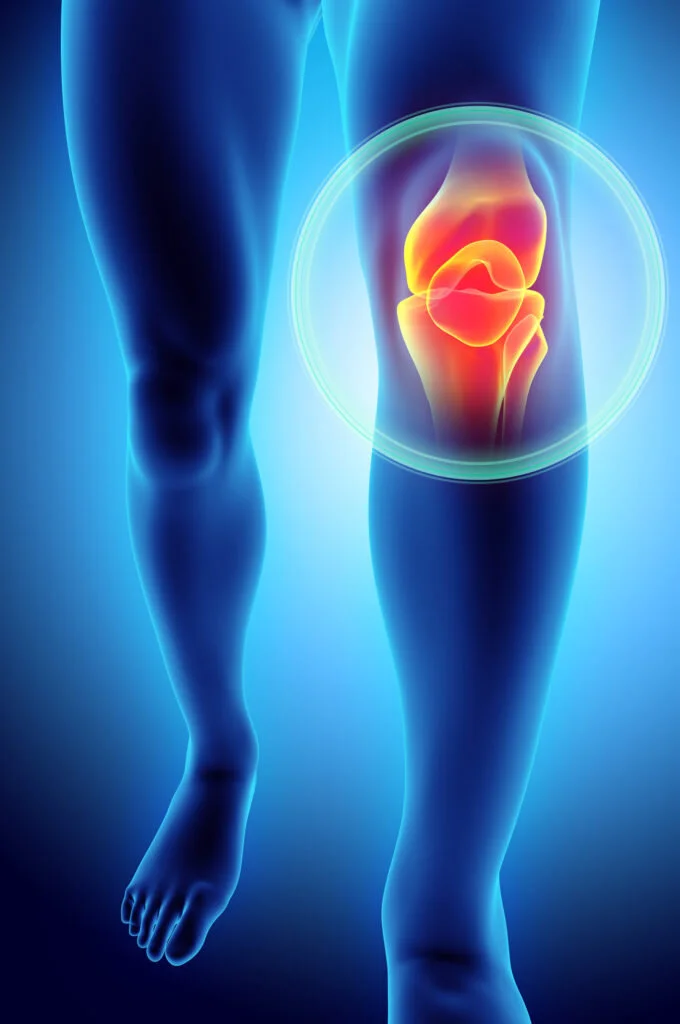
If you have just done your cruciate, the weeks between now and surgery are not dead time. They are the part of your rehabilitation you have most control over — and the state your knee is in going into theatre shapes where you end up coming out of it.
No referral needed · Surgery date not required to start · Dublin 16 & Greystones
- ThousandsACL appointments · 5 years
- 9 stagesInjury to return to play
- 5 test pointsObjective strength testing
02 / 07 Prehab
Why the wait matters
Waiting for surgery is the most useful rehab window you will get.
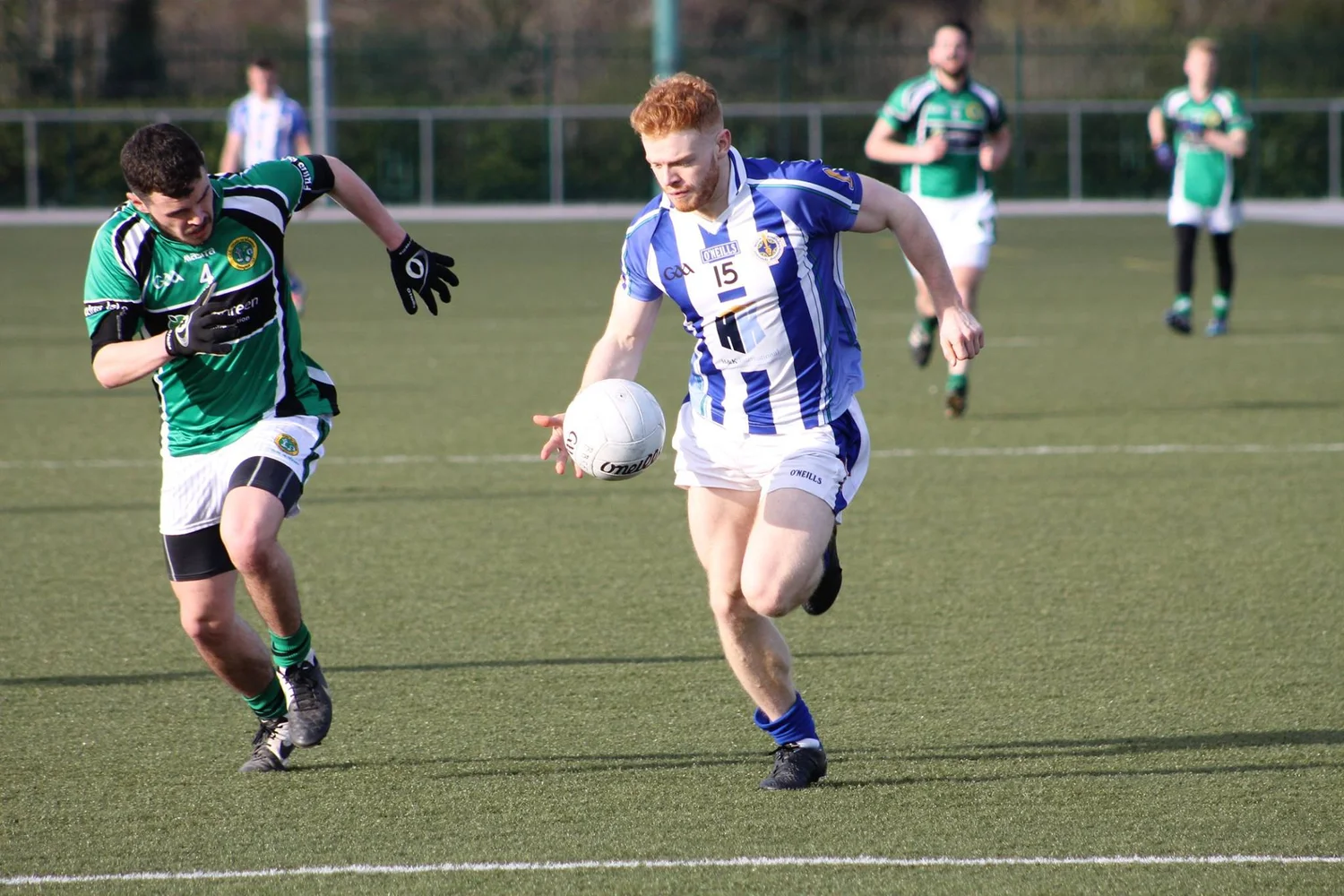
Most people are told to rest until their operation. It is the single most common piece of advice, and it costs people months on the far side. A knee that goes into surgery swollen, stiff and with a wasted quadriceps comes out of surgery further behind — and the evidence on this is consistent: how strong the leg is before reconstruction tracks closely with how the knee performs a year or two later.
01
Before surgerySettle the knee down
Get the swelling out and full range of motion back. Knees that go to theatre stiff tend to stay stiff afterwards.
02
Before surgeryHold on to the quadriceps
The thigh wastes fast after a cruciate injury. Every bit of strength you keep now is strength you are not rebuilding from scratch later.
03
Before surgeryKnow what you are walking into
What the operation involves, what the first fortnight is actually like, and what the following months ask of you.

Prehab
Prehab is not a warm-up for the real thing. It is the part of the process where you can still change the starting line.
04 / 07 Pathway
The pathway
09Stages · injury to return to play
One programme, from the week you injure it to the day you play.
Nine stages, grouped here into the six that matter to you. You are not handed between people. The same team takes you through, and the decisions about when you progress are made against measurements rather than against the calendar.
You are here · Stage 1
Prehab
From now until your surgery date, whenever that lands. Swelling, range of motion, quadriceps strength, and knowing what is coming.
Stage 2 · Your surgeon
Reconstruction
Your operation is your surgeon's to do. We work to their protocol and around their timelines, and we will correspond with them directly with your consent.
Not our stage
The only stage of the nine we do not deliver — and the only one on this page without a picture.
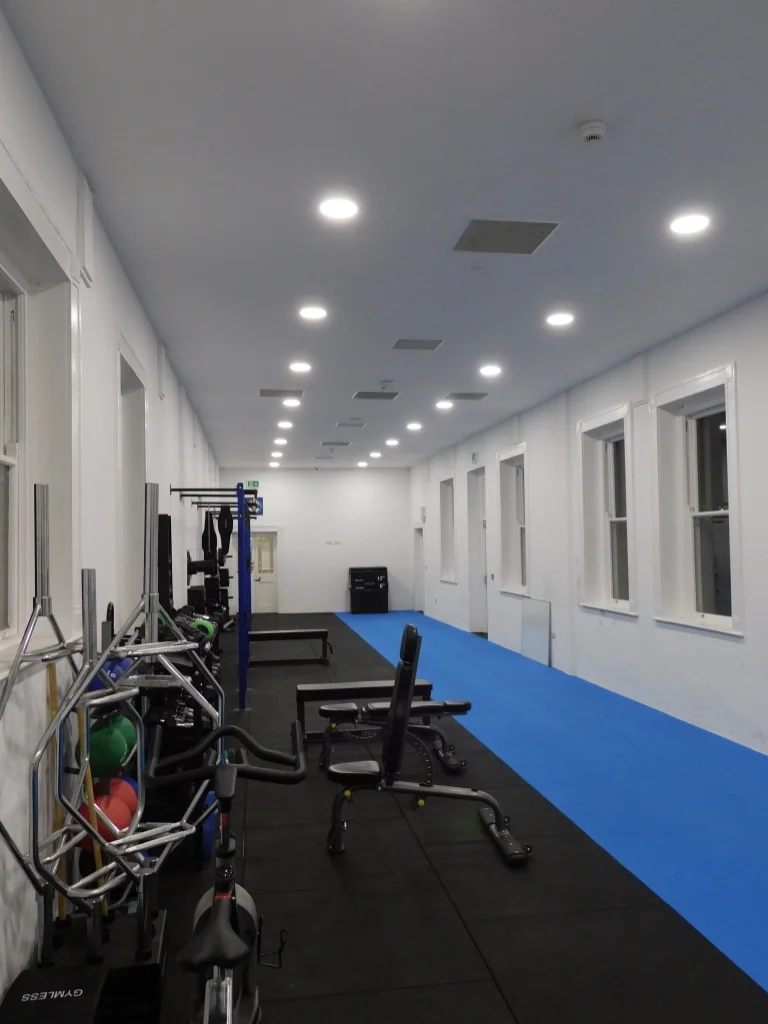
Phase one
Strength & neuromuscular
Getting the knee quiet, full extension back, and the quadriceps rebuilt. Three supervised sessions a week, with the first isokinetic test at week thirteen.
Phase two
Running mechanics & reconditioning
Running is not something you are simply cleared for. It is rebuilt — straight line first, then multidirectional, each unlocked by hitting the strength and symmetry numbers that come before it.

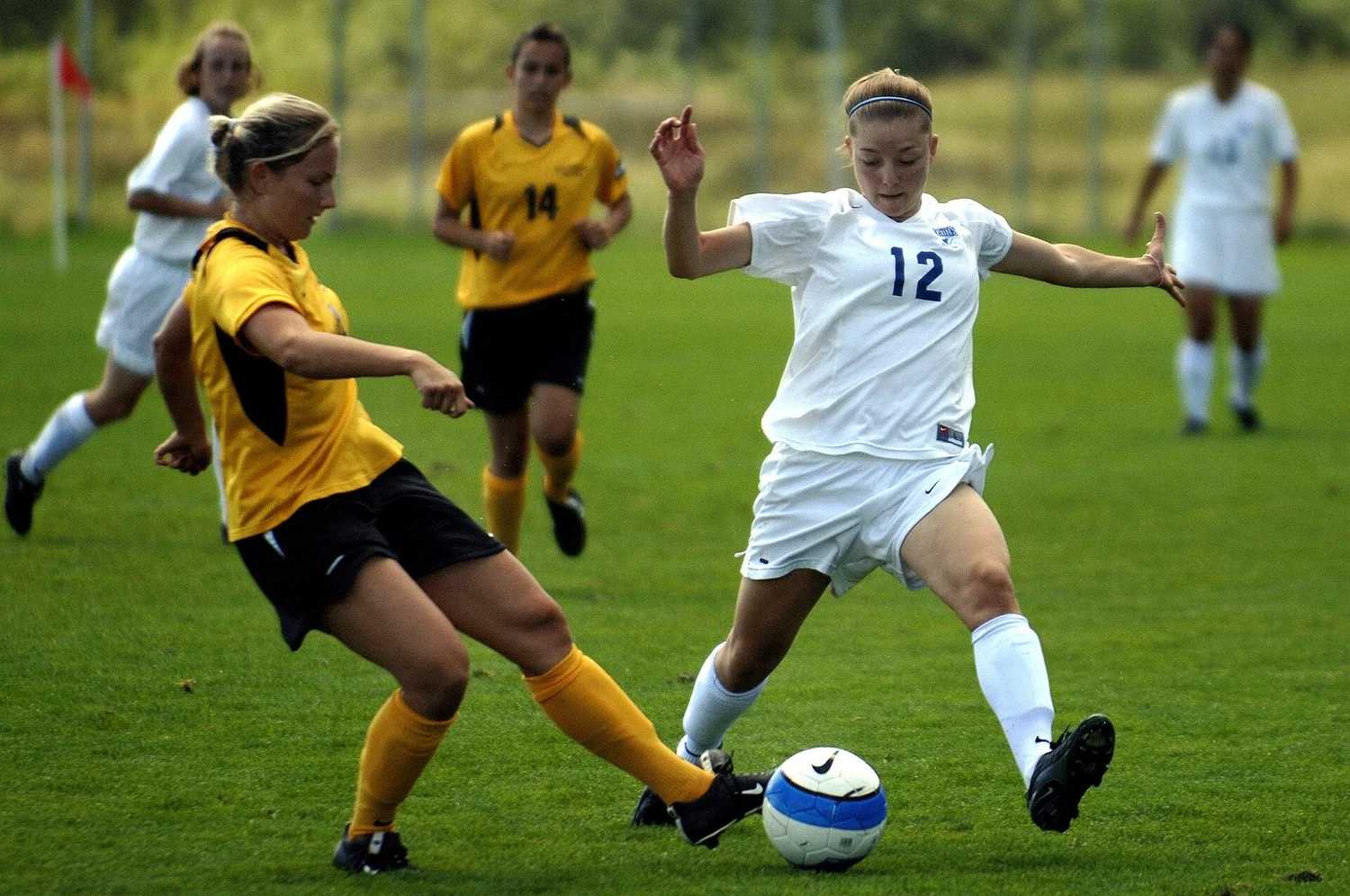
Phase three
Sport specific rehab
Contact and non-contact sessions in your own sport, with the demands of your position built back in before anyone talks about a match.
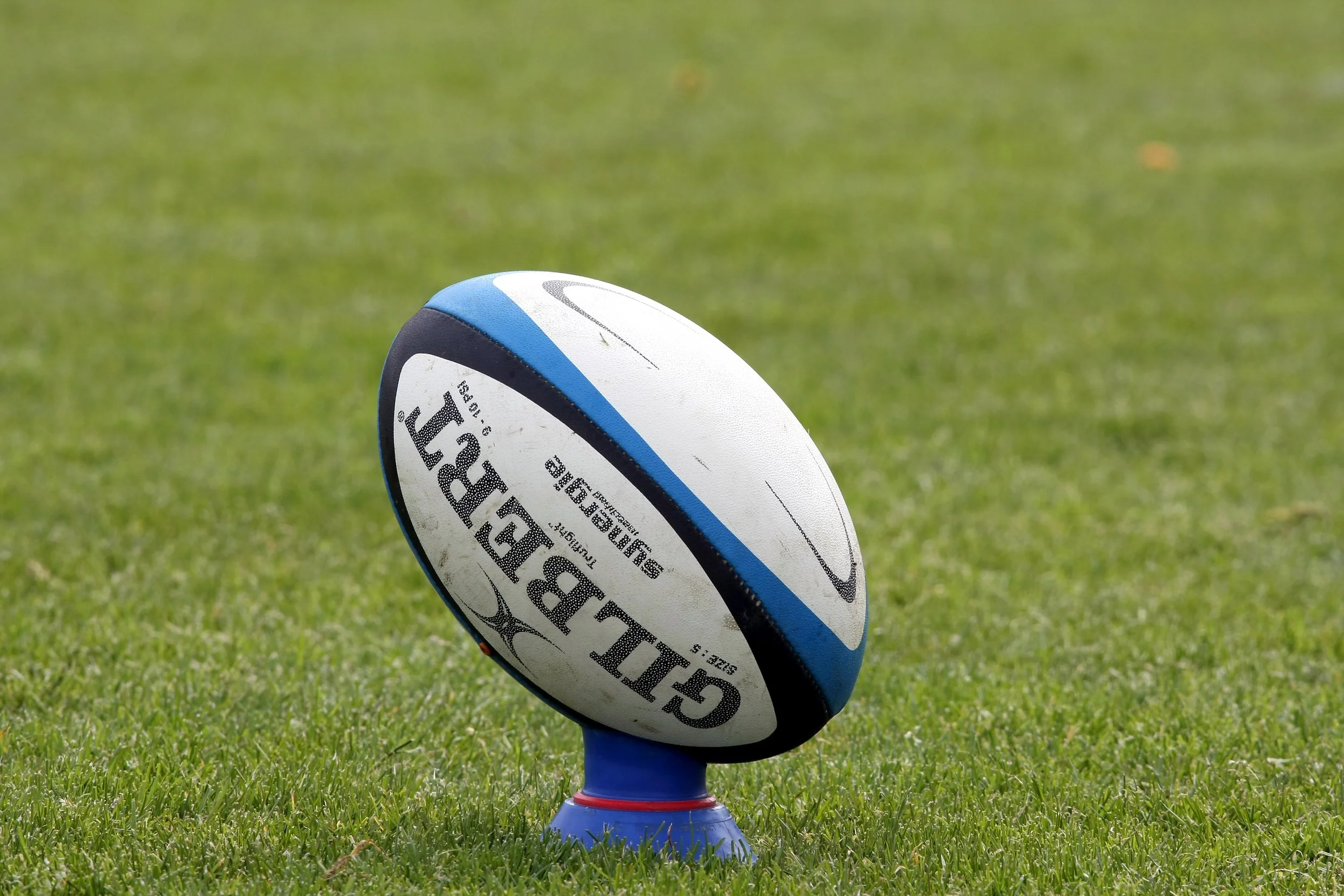
Two separate gates
Return to train, then return to play
These are different decisions and we treat them as such. Getting back to training is not the same as being ready to play, and each has its own criteria to clear.
05 / 07 Insight 360
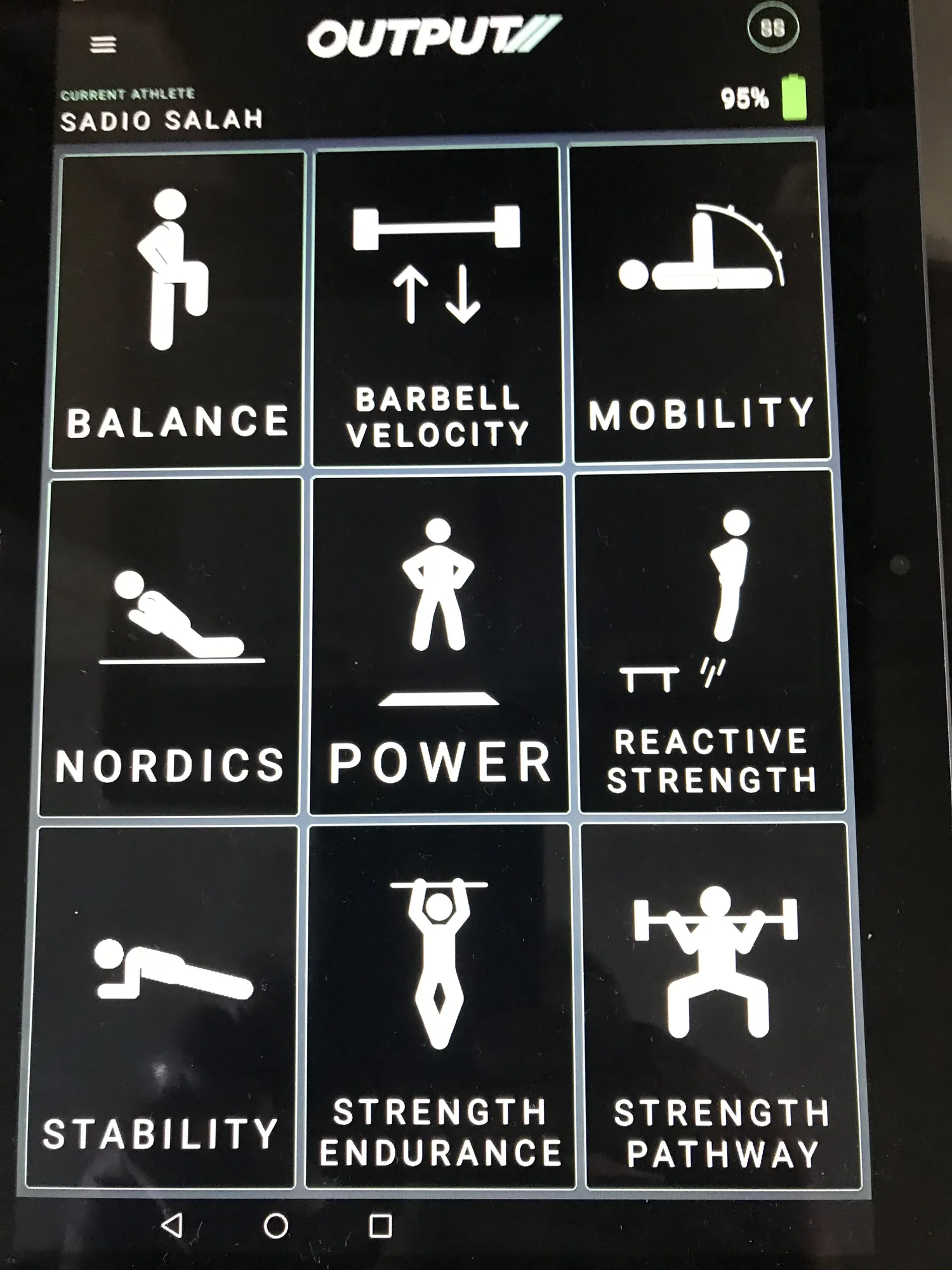
ACL Insight 360
The testing battery your progress is measured against.
Nine months is a date, not a criterion. Time passing tells you nothing about whether the knee is ready — what tells you is the gap between the operated leg and the other one, under load, at speed and under fatigue. That gap is measurable, and we measure it five separate times across your rehabilitation, starting at week thirteen.
Every stage of the pathway has a threshold attached to it. You do not move on because the calendar says so; you move on because the testing says you have earned it. If you have not, we tell you that too — and we show you the number.
01Strength
Isokinetic dynamometry
Quadriceps and hamstring strength through range, both legs, with limb symmetry index. The most predictive measure in the return-to-sport literature.
02Power
Countermovement jump
How much force the leg produces, and how the work is shared between legs when you are not consciously thinking about it.
03Reactivity
Reactive strength index
How quickly the knee absorbs and returns load through ground contact — what cutting, landing and changing direction actually rely on.
04Full battery
ForceFrame & Output Sports
Hop, jump-land, drop jump, range and movement-quality testing across the full validated battery, so nothing is judged in isolation.
You get every number, at every retest, with what it means written in plain English.
06 / 07 The clinic
Who you will be working with
A clinic that does cruciates every week, not occasionally.
SPARC has delivered thousands of ACL rehabilitation appointments over the past five years, and several hundred every month. We work with inter-county players in hurling, Gaelic football, camogie and ladies' football, alongside club players, school teams and people whose ambition is to get back out running without thinking about the knee.
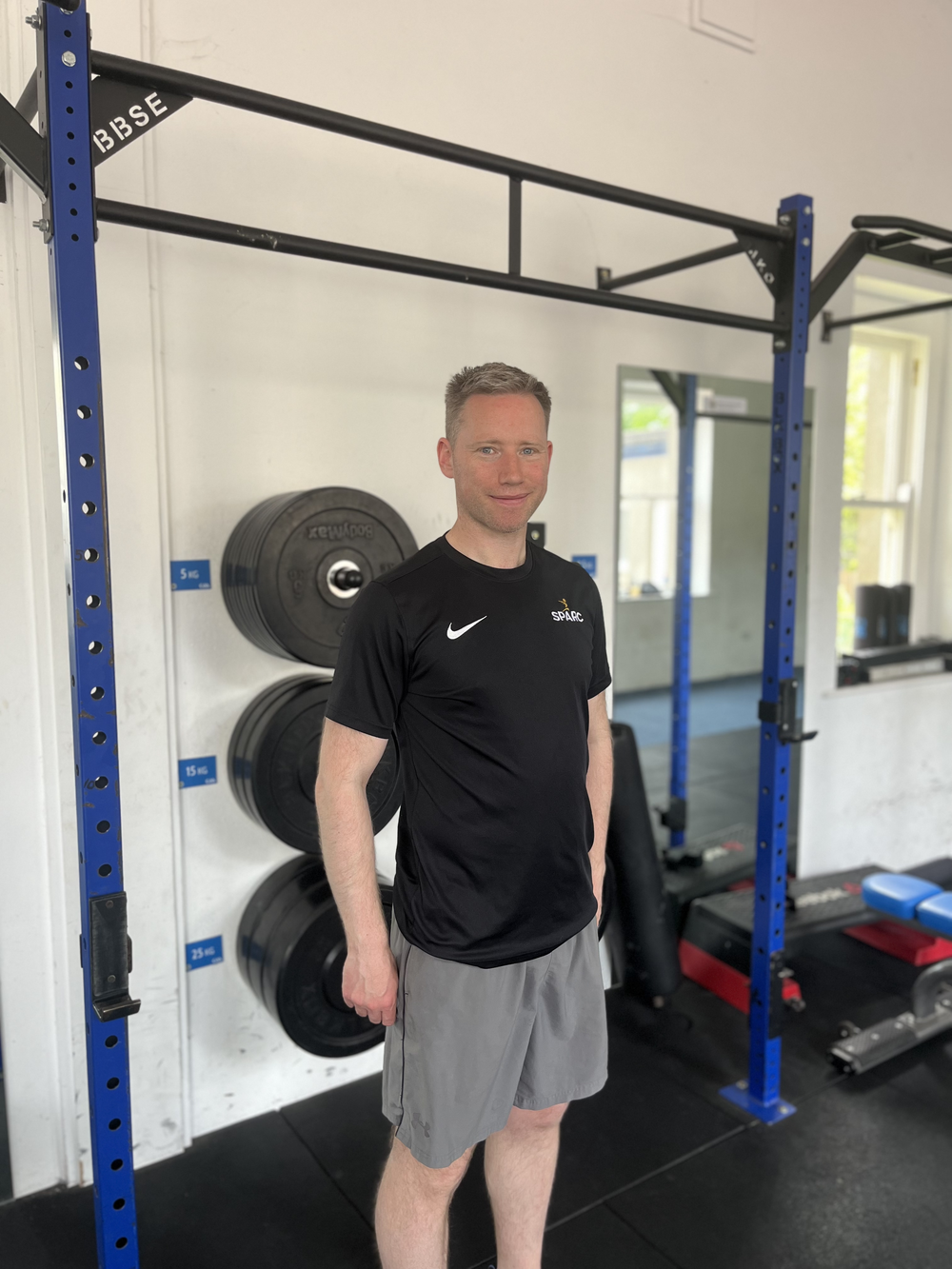
Eamon O’Reilly
- Clinical Lead · ACL & Groin Programmes
- MSc Advanced MSK Practice
- Chartered Physiotherapist · CORU registered
Eamon leads both the ACL and groin programmes at SPARC and has worked with elite players and teams across multiple sports. He sets the testing criteria, reviews return-to-sport decisions, and is in the room for the assessments.
07 / 07 Before you book
Before you book
The questions we are asked most.
Seven · answered plainly
I am waiting for surgery. Should I really be doing anything now?
Yes, and it is the thing we most wish people knew. Resting until the operation lets the thigh waste and the knee stiffen, and both have to be rebuilt afterwards from a worse starting point. Prehab is the most productive use of that waiting time.
My surgery date has not been set yet.
That is fine, and it is the most common situation we see — particularly for anyone on a public waiting list. You do not need a date to start. If anything, a long wait makes prehab more valuable, not less.
Do I need a referral from my GP or surgeon?
No. You can book directly. If you are under the care of a surgeon we will correspond with them with your consent, and work to their protocol.
Might I not need surgery at all?
Some people manage an ACL injury without reconstruction, and that decision belongs to you and your surgeon. Either way the rehabilitation is the same in the early stages, and non-operative management relies even more heavily on objective strength testing because there is no surgical timeline to anchor to.
I had my surgery a while ago and something still is not right.
Common, and usually explainable. An assessment will normally show a strength deficit that was never measured — you can come in at that point and start from where the numbers put you.
Can I claim it back on health insurance?
Most Irish health insurers cover chartered physiotherapy to varying levels. We provide a receipt with our CORU details for your claim. Check your own policy for the amount.
Where do the appointments take place?
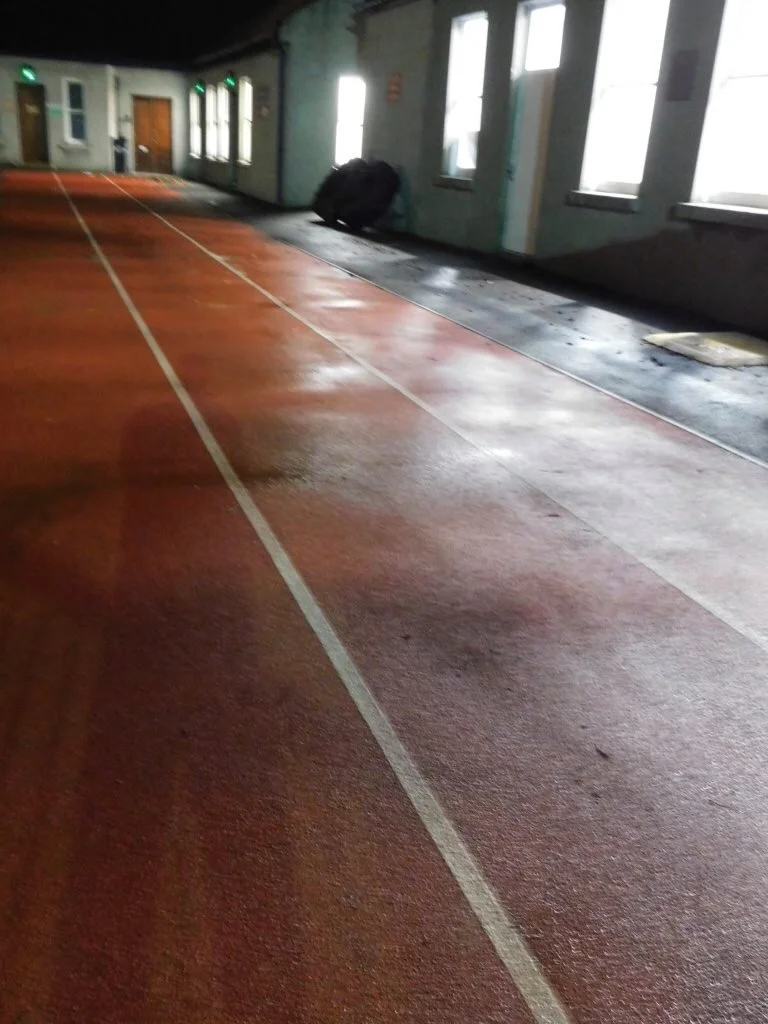
At our Rathfarnham–Knocklyon clinic in Dublin 16 and our Greystones clinic in Co. Wicklow.
Start now
Do not spend the wait resting.
Start your ACL rehabilitation now, and go into surgery in the best shape you can be in.
01 493 6399
01 493 6399
Receipts provided for insurance
SPARC · Sports Physiotherapy & Athletic Rehabilitation
ACL Prehab · Insight 360 · Return to Play